A Place to Belong. A Path to Becoming.
Earn your Master of Science in Family Therapy in a clinically rigorous, relationship-centered program. You’ll be known, supported, and prepared for meaningful work with individuals, couples and families.
Earn your Degree in Marriage & Family Therapy
Program Highlights
Clinical Training. Relational Learning.
Mission Statement: The MSFT Program embodies core Quaker values while engaging students on an educational journey of personal and professional transformation to affect change in the lives of those they will serve.
Learn the Profession, Build the Skills
Develop the foundational knowledge and clinical skills that define Marriage & Family Therapy. Learn to understand mental health through a relational and systemic lens as you prepare for supervised clinical practice and MFT licensure.
A Cohort Community Where You are Known
Learn alongside a supportive cohort and build meaningful relationships with faculty and classmates. You’ll be supported throughout your graduate experience and beyond.
Learn from Practicing Clinicians
Learn from experienced faculty who bring real-world clinical knowledge and expertise into the classroom. Their experience and guidance will support you as you develop your skills and identity as a therapist.
Explore the MFT Program
Get your questions answered and learn what to expect from the Master of Science in Family Therapy program. Explore the learning experience, clinical training, and admissions process.
Build Your Career as an MFT
Prepare for a career as a Marriage & Family Therapist. Gain clinical knowledge, professional skills, and experience needed to pursue MFT licensure and begin your career in the mental health field.
Support for Your Next Step
Be ready for what’s next with career support tailored to your goals. From professional development and career guidance to your transition into clinical practice, let our Career Services team come alongside you.
“The MSFT program at Friends is student-focused, it is professionally relevant, it is well-respected and it is a family. What other graduate program can boast that its alumni return to teach, supervise, volunteer and host students on a regular basis?”
Erin Cavanaugh, M.S. in Family Therapy Graduate
What Can You Do with a Master’s Degree in Family Therapy?
A Master of Science in Family Therapy can prepare you for a career helping individuals, couples, and families navigate relationship challenges, life transitions, and mental health concerns. Through clinical training and supervised experience, you’ll develop the skills needed to pursue Marriage & Family Therapist licensure and practice in a variety of mental health settings.
MFT graduates can pursue roles in community mental health centers, private practice, hospitals, schools, nonprofit organizations, and other behavioral health settings. Because Marriage & Family Therapists are trained to look at both individual well-being and the relationships and systems that shape our lives, an MFT degree can open the door to a range of career paths focused on mental health and relational care.
Want to learn more about therapy professions?
Counselor or Therapist: Which Degree Is Right for You?
If you’re considering a career in mental health, you may be wondering whether you should pursue a degree in counseling, family therapy, or another clinical field. While counselors and therapists may provide similar types of mental health care, their education, training, licensure, and areas of focus can differ.
A Master of Science in Family Therapy (MSFT) program prepares students to pursue Marriage & Family Therapist licensure with a specialized focus on relationships, family systems, and the ways people are shaped by the systems around them. Understanding the differences between MFT and other mental health professions can help you choose the graduate program that best fits your goals.
Which path is right for you? Click below to learn more about the differences between counseling and marriage and family therapy, including their approaches, training and career paths.
Prepare for a Career in Marriage & Family Therapy
The Master of Science in Family Therapy program prepares students to become ethically grounded, culturally responsive clinicians through a relational and systemic approach to mental health care. Students develop competency across interpersonal, theoretical, clinical, and sociocultural domains as they prepare for professional practice as Marriage & Family Therapists.
Clinical training is at the heart of the MSFT experience. Advanced students collectively provide more than 10,000 hours of relational services each year to individuals, couples, and families, gaining meaningful experience working with clients experiencing personal, relational, and mental health challenges.
Program Information & Accreditation
The marriage and family therapy graduate degree at Friends University is accredited by the Commission on Accreditation for Marriage and Family Therapy Education (COAMFTE) of the American Association for Marriage and Family Therapy (AAMFT), 112 S. Alfred St., Alexandria, VA 22314 (703-838-9808), coa@aamft.org. Friends University is currently seeking approval from COAMFTE for a substantive change to the program’s delivery model.
The Master of Science in Family Therapy Program at Friends University is pleased to provide a public portfolio of program information in compliance with the Council for Higher Education Accreditation and the Commission on Accreditation for Marriage and Family Therapy Education. This information includes but is not limited to the MSFT program’s mission statement, program goals, student learning outcomes, faculty information, demographic data, student achievement data, and policies and procedures supporting the Marriage and Family Therapy program at Friends University. To access the information, please select the following link to the MSFT LiveText Portfolio Management System (www.livetext.com), select the “visitor pass,” and enter the following code: 340BA284
Program Goals
- Interpersonal Competency: The MSFT program will cultivate the person of the therapist.
- Theoretical Competency: The MSFT program will prepare students to understand and apply systemic concepts.
- Clinical Competency: The MSFT program will prepare students to develop a systemically based framework for clinical practice.
- Sociocultural Competency: The MSFT program will promote attunement, equity and inclusion.
Student Learning Outcomes:
Treatment: Students will be able to deliver treatment that fosters inclusive clinical practice for all communities.
- Regulate: Students will be able to demonstrate a capacity to regulate emotion.
- Relate: Students will be able establish healthy relationships.
- Knowledge: Students will be able to understand the systemic concepts and research outcomes of Marriage and Family Therapy.
- Apply: Students will be able to construct a therapeutic framework utilizing the systemic concepts of Marriage & Family Therapy.
- Treatment: Students will be able to demonstrate systemically based skills to initiate, assesses, diagnose, plan and deliver evidence based clinical intervention in client systems.
- Professional Conduct: Students will be knowledgeable and compliant with legal and ethical parameters of clinical care.
- Social Identity: Students will be able to demonstrate attunement to the cultural dynamics of power, privilege and marginalization related to social identity.
Featured Faculty
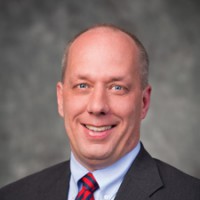
Dr. Chris Habben
- Professor Marriage & Family Therapy
- B.A., Hope College; M.S., M.A., Fuller Theological Seminary; Ph.D., Virginia Polytechnic Institute and State University
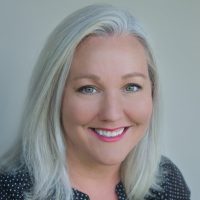
Dr Jana McCloud
- Assistant Professor Marriage & Family Therapy (Wichita); Residency Lecturer (Christian Spiritual Formation & Leadership)
- Theology & Humanities
- B.A., Wichita State University; M.S., Friends University; D.M.F.T., Northcentral University
Jennifer K Myers
- Special Appointment Visiting Assistant Professor MFT
- Marriage & Family Therapy

Eric Parks
- Special Appointment Assistant Professor of MFT (Kansas City) Assistant Professor of Marriage & Family Therapy
- B.A., Wichita State University; M.MFT, Friends University
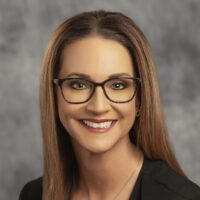
Dr. Michelle Robertson
- Professor of Marriage & Family Therapy
- B.A., Midwestern State University; M.M.F.T., Abilene Christian University; Ph.D., University of Louisiana
Alyssa Young
- Assistant Professor of Marriage & Family Therapy; Wichita Clinic Director
- Bachelor of Arts in Psychology, University of Kansas; Masters in Family Therapy, Friends University; Doctor of Philosophy in Couple and Family Therapy, Antioch University, New England.